

Organised by The Foundation for Indian Contemporary Art (FICA), supported by Mrinalini Mukherjee Foundation (MMF)
SSAF Kasauli Art Project
17–29 July 2026
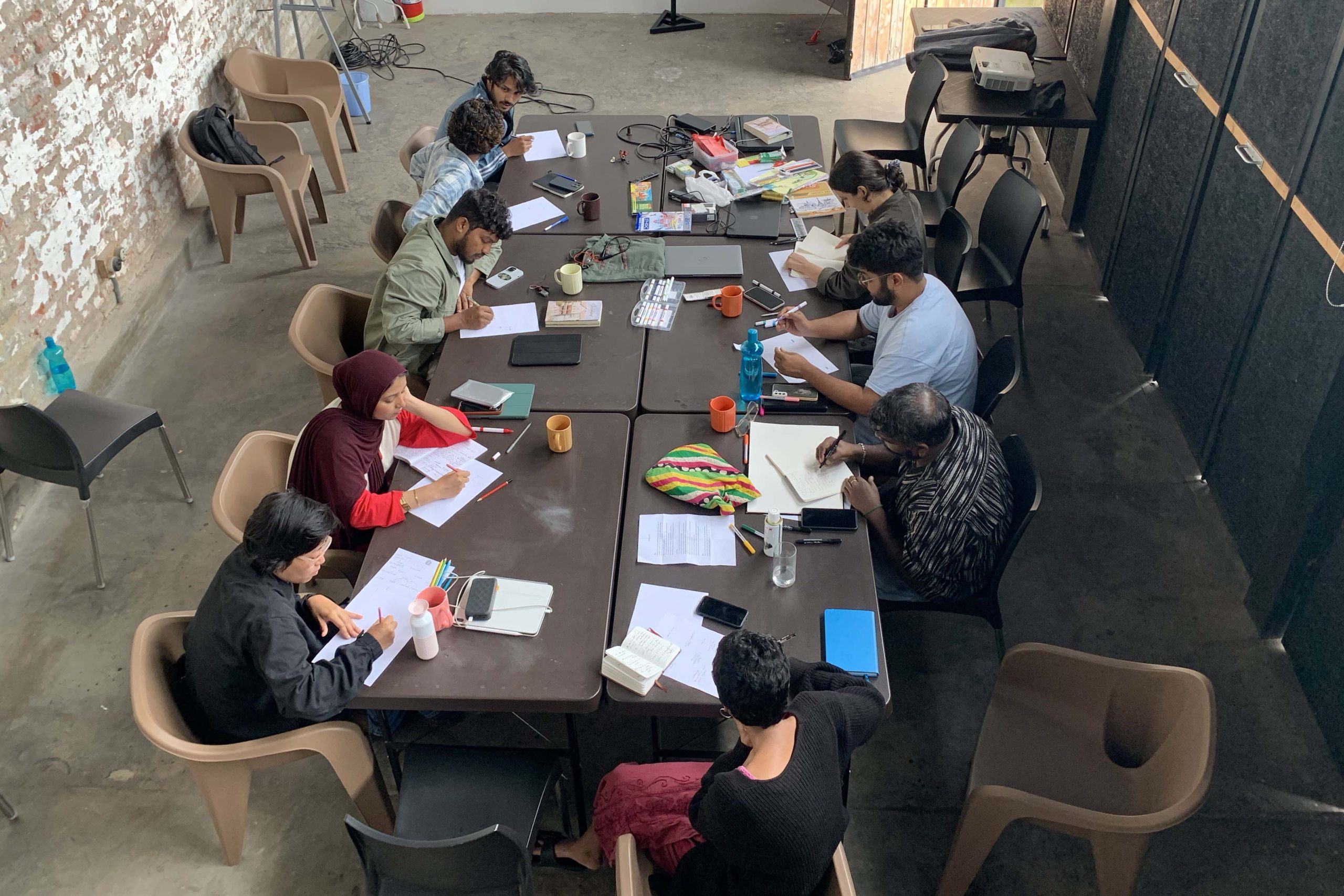
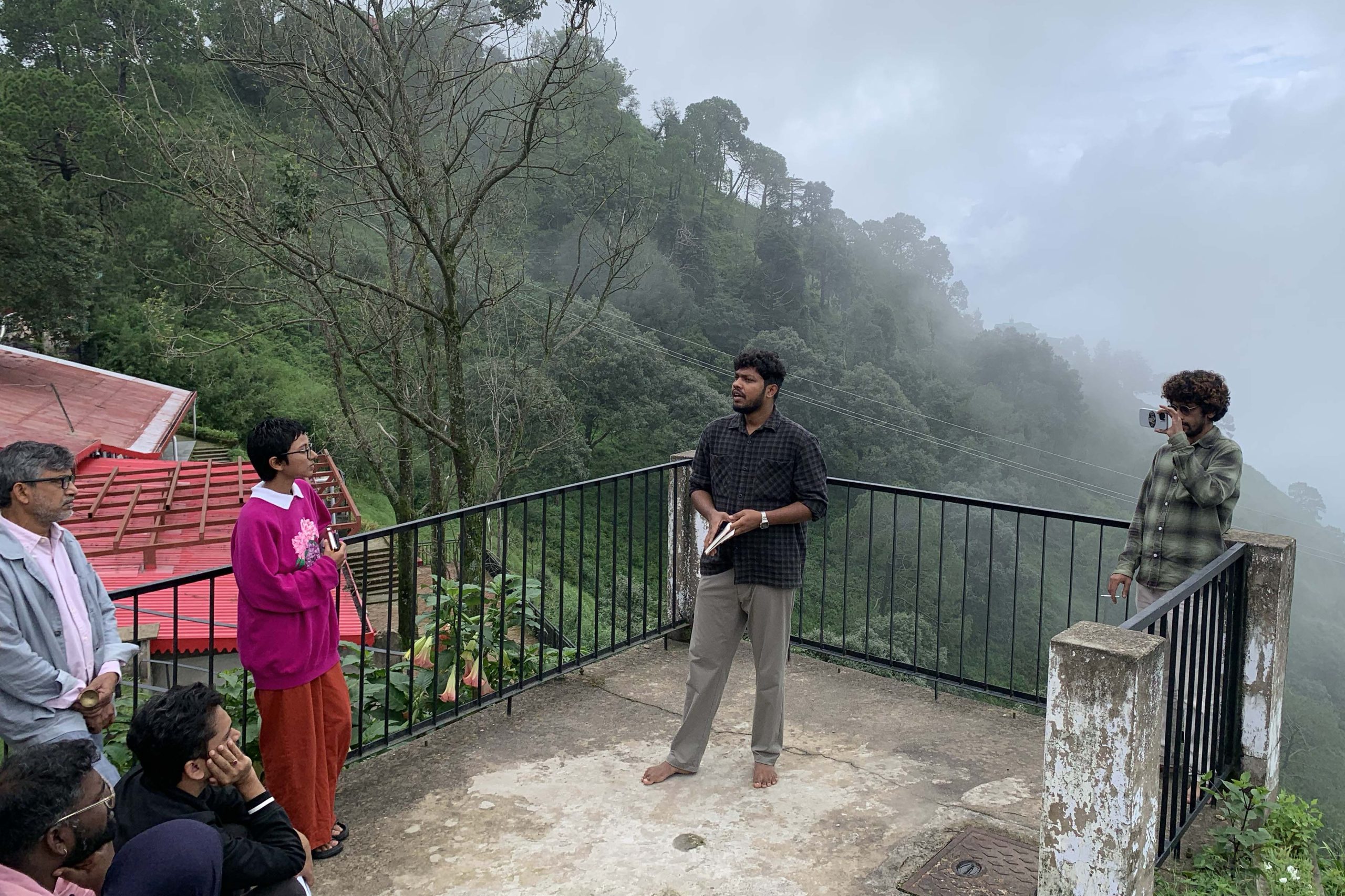
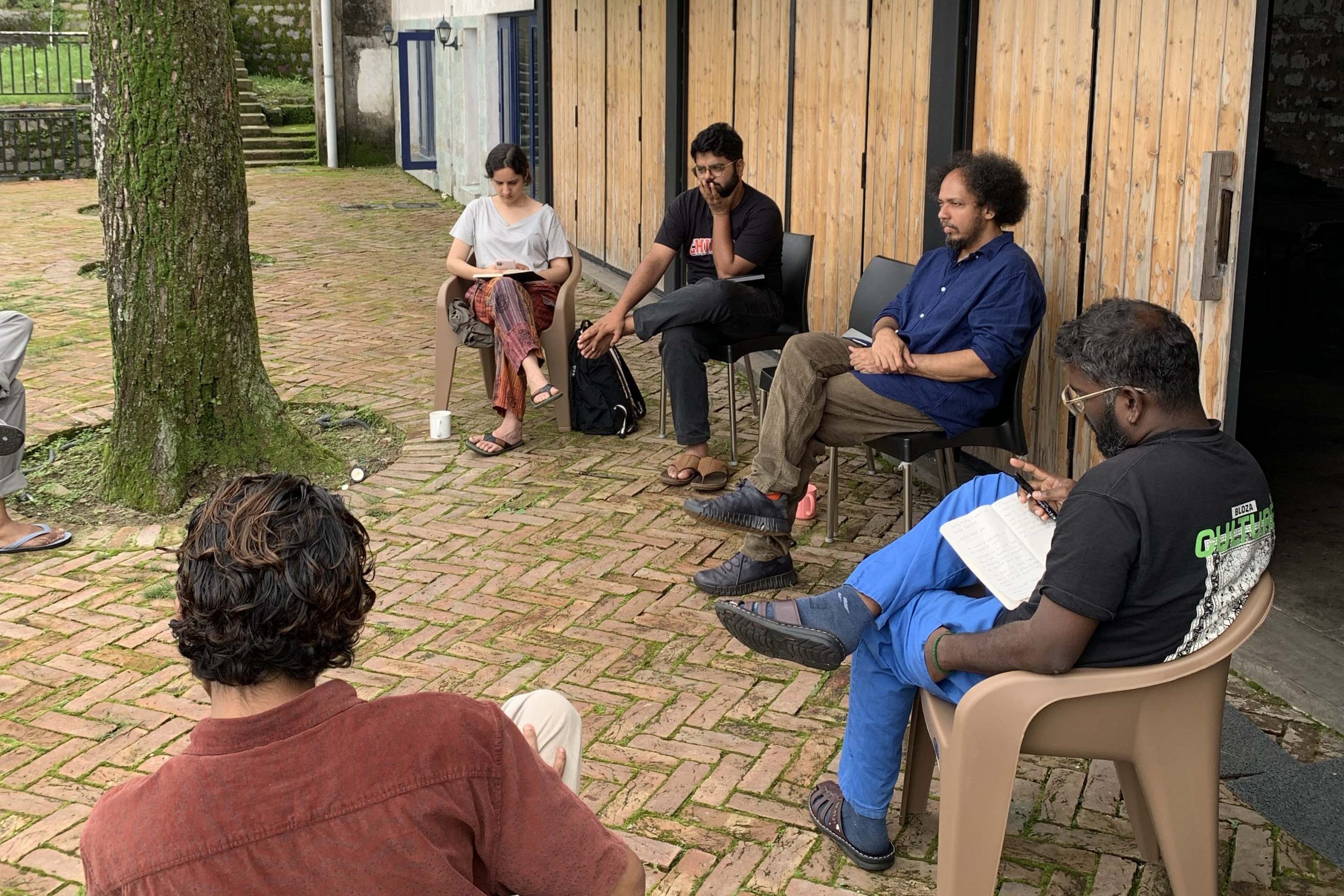
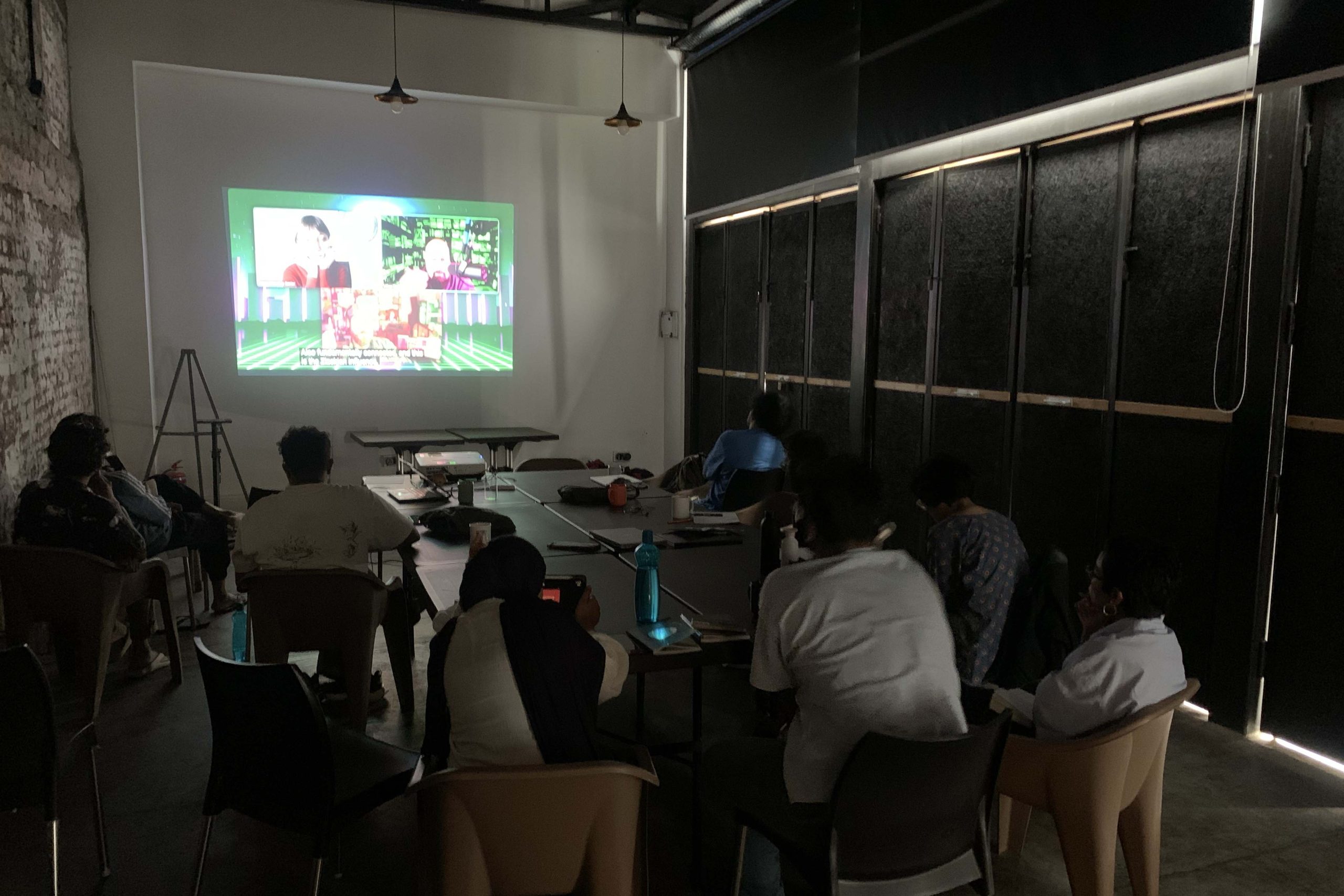
“From 17-29 July, the third cohort of the Emerging Artists Award (EAA+) attended a residency at SSAF Kasauli Art Project, Himachal Pradesh, accompanied by Vidya Shivadas and Sohorpem Kazingmei from FICA. They were joined by resource persons Susanta Mandal—from 19-24 July—and Mochu—from 25-29 July. Participating artists included Anurag Singraur, Aravind Chedayan, Boris Colin Alphonse, Farhin Afza, Fileona Endoxa Dkhar, Kumar Misal, Shiv Shankar, Stuti Bansal and Vanshika Babbar. Fellow EAA+ peer Sheshadev Sagria was not available to join the cohort during this period.
For FICA, an ongoing interest through the EAA+ platform has been to revisit, glean and reprise our understanding of the ways in which artistic practices and institutions exist in relation to one another, with an emphasis on mutual shaping through reciprocal channels of propulsion, to consider different modalities and processes of extending support and collaboration. Central to this thinking is the question of how institutions are positioned and equipped to accommodate the needs of contemporary art practices today, within a field constituted by diverse stratification and polyvocal concerns and interests.
The SSAF Kasauli Art Project welcomed us back for the second iteration, into a space sustained by a similar exploratory and collaborative ethos, where through open ended formats of sharing, exchange, dialogue, and making, participants immersed themselves for the next 12 days in probing and expanding upon their individual as well as collective practices. Through exercises in attunement, deconstruction, and rearticulation, encounters with new ways of looking, as well as relational reading, the residency became a criss-crossing of various tangents and activations. It also offered itself up as a site for a flurry of arrivals and departures, each movement generating frictions that either facilitated continuity or sparked something new or brought things that lay dormant into visibility and new contexts.
The residency commenced with an orientation session with Latika who outlined a brief history of the place, including the screening of two films—the documentary The Show is Already On (2017) made by R. V. Ramani, and Behind Every Curtain (1989) a documentary by Navina Sundaram for a German television programme—around artistic projects that had been carried out within the site. Both films provided insights into the profusion of artistic experimentation, multidisciplinary collaborations, and rigorous debate that has persisted within the history of SKAP. Vivan’s gesture with the Fall of the Slab in the 2017 documentary, signalling a new moment for SKAP became pivotal for the fellows in thinking about the scale of imagination and possibilities that their own artistic gestures could be invested with.
Beyond formal sharings which included presentations, workshops, screenings, performances and readings, the residency also provided fellows an opportunity to come together through various forms of gathering that included collective cooking sessions, as well as discovering the markets and misty landscapes of Kasauli. It was interesting to see the different ways in which elements of the site and especially the history of Ivy Lodge were woven into the explorations, processes of ideation and performances of the artists during their time spent with Susanta. Over the course of four days, he engaged the cohort in an etude of deconstructing and disassembling artistic practice. Through readings and discussions, they considered the fundamentals of line, space, as well as the mechanics of artistic tools and materials. He also encouraged participants to return to the immediacy of experience, enlisting them in experimental exercises of map-making and interactive performances.
The last three days was a condensation of intensive discussions led by Mochu around readings and online lectures theorising the contemporary moment and its attendant technologies through which experience, the self and artistic articulation is mediated. Bringing with him a fresh constellation of references, research materials, milieux and interdisciplinary fields of inquiry, the cohort was inserted into unfamiliar terrain for considering artistic practice. He challenged the artists to stretch the meanings of their practices and expand its contexts by connecting it to larger theoretical, philosophical and ideological analyses, engendering inceptive shifts in the ways the fellows started thinking about new directions for their works or considering the various possibilities of artistic forms.
The two weeks of deep engagement within the open and rolling expanse of SKAP proved vital for our own processes, dialogues, quandaries, doubts and explorations to unravel with a certain kind of freedom. As we continue to process all that has unfolded during this period, we have also come away with generative questions and realisations that have invested our momentum with impetus for the year ahead.”
— FICA
Sher-Gil Sundaram Arts Foundation was the Residency Partner for the programme.