

2025 | Thangkhankhup Hanghal
SSAF–AAA Research Grant for Archiving Histories of Ideas, Art, and Visual Culture, 2025
Grant Recipient
THANGKHANKHUP HANGHAL
Title of the Project
ZOKHANKHUAL: INDIGENOUS STORYWORK IN NENGZALAM GUITE’S COMICS
Sher-Gil Sundaram Arts Foundation (SSAF) and Asia Art Archive in India (AAA in India) are pleased to announce the grantee for the SSAF–AAA Research Grant for Archiving Histories of Ideas, Art, and Visual Culture 2025: Thangkhankhup Hanghal (aka Khup/Kooper) for his project “Zokhankhual: Indigenous Storywork in Nengzalam Guite’s Comics.”
Made possible through a collaboration between SSAF and AAA in India, this grant is offered for a one-year period to a research project selected by a jury following an open call in August 2025. This year’s three-member jury comprises literary theorist Udaya Kumar, film and culture theorist and SSAF Trustee Ashish Rajadhyaksha, and Senior Researcher and Head of AAA in India Sneha Ragavan.
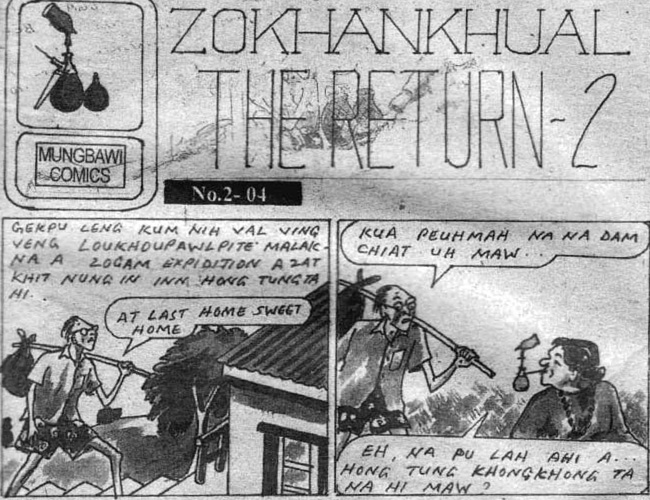
Khup’s project intends to research into and build an archive of Zokhankhual, a comic series by Nengzalam Guite that originated in Lamka, Manipur, written in the Paite language, with around 300 volumes published between 1982 and 2015. Self-published and with no formal distribution channel, there is no consolidated collection of Zokhankhual in any public institution in the region. Khup writes, “Zokhankhual is a complex cultural and political document. Emerging from the “Zomi consciousness” movement of the 1980s, it is deeply embedded in the region’s history, providing a unique vernacular perspective on a pivotal moment of identity formation. The series serves as a critical bridge between the Paite community’s rich oral storytelling traditions and modern illustrative forms, establishing a unique relationship between the oral, the visual, and the textual.”
Khup elaborates, “Through its clever use of humour and satire, the comic engaged directly with contemporary issues—from critiquing political leadership during the 2015 Manipur land rights turmoil to addressing social injustice and gender inequality. In doing so, the comic form challenges static, romanticised notions of indigeneity, instead presenting the tribal community as a dynamic, modern entity critically engaging with its surroundings. This research will, therefore, create a crucial resource for understanding the history of art and cultural politics of the region.”
Khup’s research will involve a combination of oral history and contextual research, translation and annotation, as well as community engagement and discussion. The final intended outcome will be a publicly accessible, comprehensive digital archive in the form of a dedicated website.
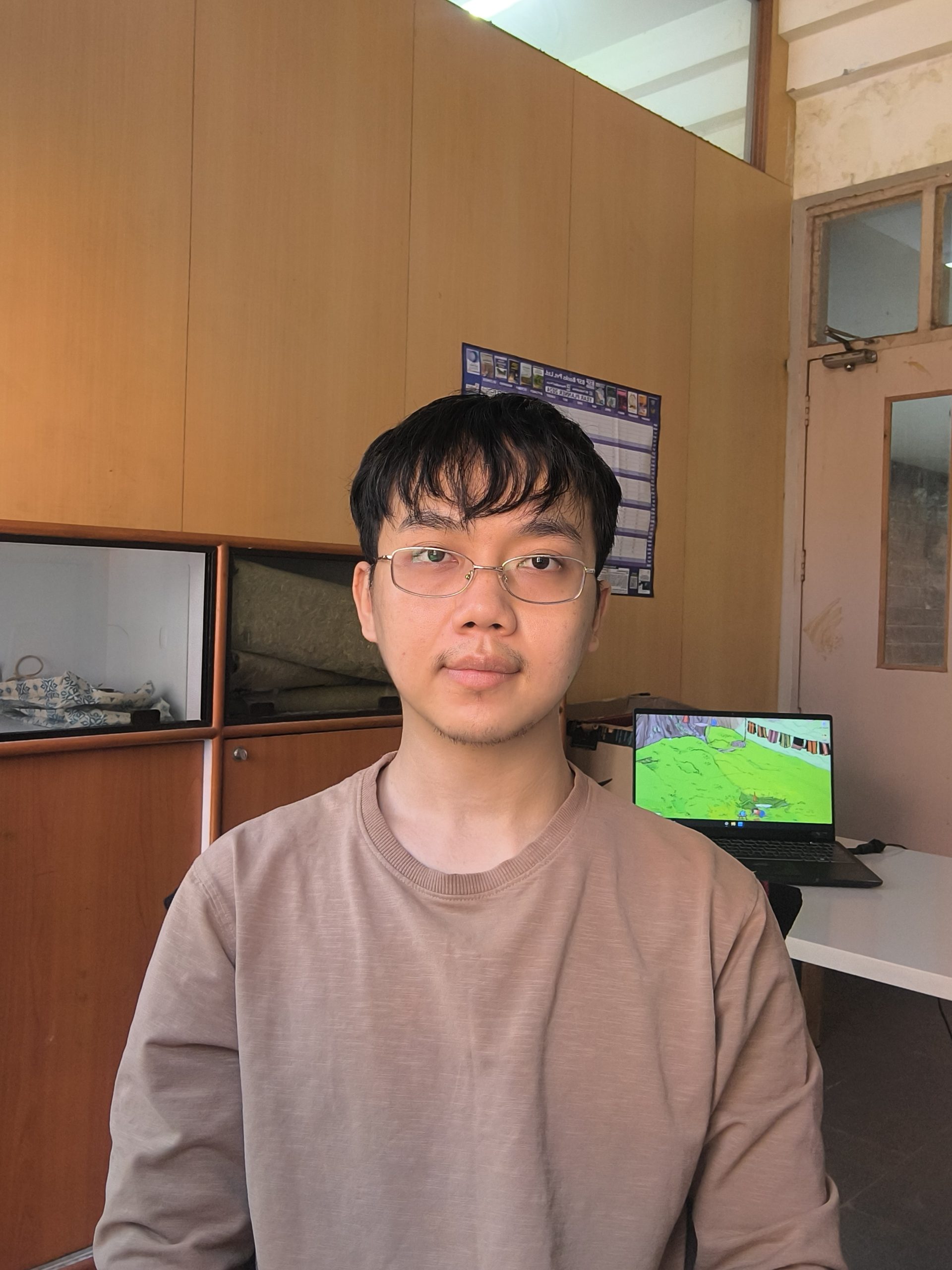
Thangkhankhup Hanghal (aka Khup/Kooper) is a writer, researcher, curator, and creative practitioner. A graduate from the School of Arts and Aesthetics, Jawaharlal Nehru University, he teaches art history and writing at the S.N. School of Arts and Communication, University of Hyderabad. Guided by Jo-ann Archibald Q’um Q’um Xiiem’s conception of “indigenous storywork,” his current research and practice focuses on indigenous storytelling and decolonial frameworks among tribal communities in Northeast India.
Jury
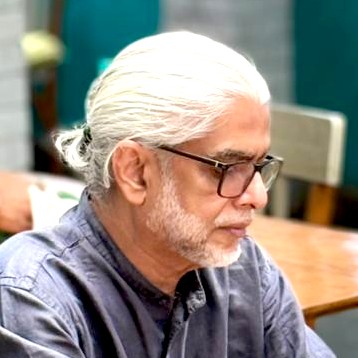
Udaya Kumar recently retired as Professor from the Centre for English Studies, Jawaharlal Nehru University, New Delhi. He worked previously at Delhi University, the Centre for Studies in Social Sciences, Calcutta, and Pune University, and held fellowships and visiting positions at the Indian Institute of Advanced Study, Nehru Memorial Museum and Library, Nantes Institute of Advanced Study, and Newcastle University. His publications include Writing the First Person: Literature, History and Autobiography in Modern Kerala (Ranikhet: Permanent Black, 2016), The Joycean Labyrinth: Repetition, Time and Tradition in ‘Ulysses’ (Oxford: Clarendon Press, 1991), and papers on cultural theory, modern literatures, and cultural history. Kumar’s recent research focuses on death and contemporary culture, affect and political expression, and idioms of vernacular social thought. He is at present completing a new book manuscript tentatively titled Literary Remembrance: Realism, Effective Histories and the Social Domain in Fiction from Kerala.
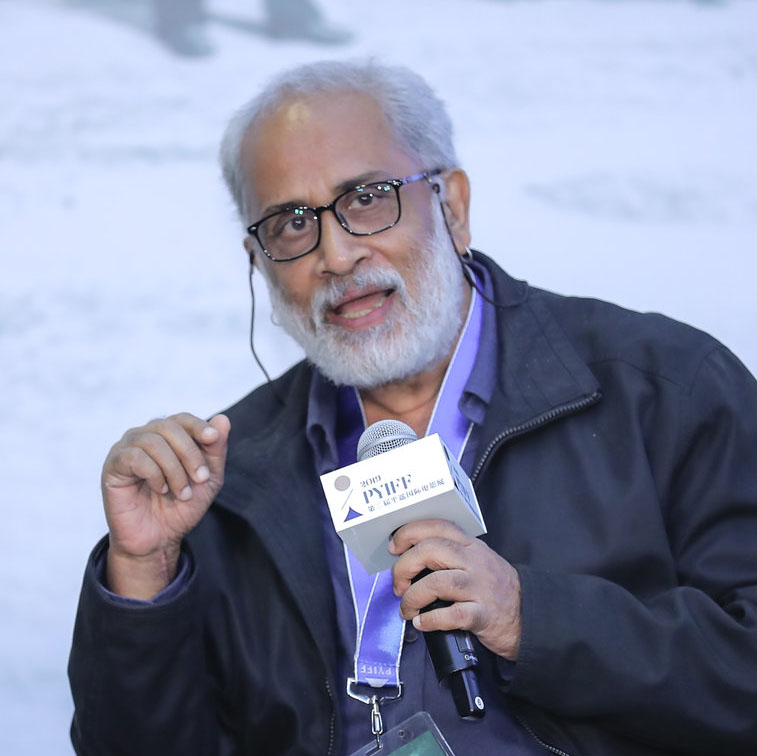
Ashish Rajadhyaksha is a film historian and occasional art curator. He is the author of the Encyclopaedia of Indian Cinema (with Paul Willemen, 1994/1999), Indian Cinema from the Time of Celluloid: From Bollywood to the Emergency (2009), John–Ghatak–Tarkovsky: Citizens, Filmmakers, Hackers (2023), and other books. He co-curated the Bombay/Mumbai 1992–2001 section (with Geeta Kapur) of Century City: Art and Culture in the Modern Metropolis at the Tate Modern (2002), the You Don’t Belong festival of film and video in four cities in China (2011), and Memories of Cinema at the 4th Guangzhou Triennial (2011), and the exhibition Tah-Satah: A Very Deep Surface: Mani Kaul & Ranbir Singh Kaleka: Between Film and Video at the Jawahar Kala Kendra, Jaipur (2017).
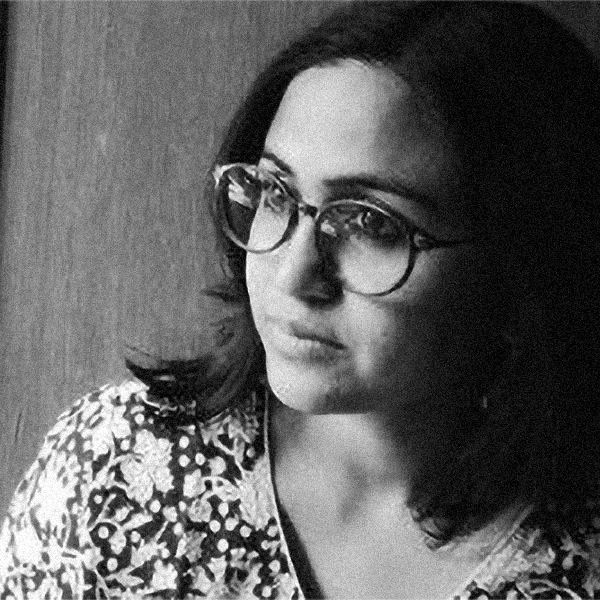
Sneha Ragavan is Senior Researcher and Head of Asia Art Archive in India, a New Delhi–based independent arts organisation established in 2013, and an overseas hub of Asia Art Archive, Hong Kong. Together with colleagues, she works on projects to digitise artist archives, create online bibliographies, edit publications, and organise workshops and seminars on art history and writing in the region.